A Persistence of Vision - A Visit to Nelson Shin’s Animation Art Museum
The O.G.
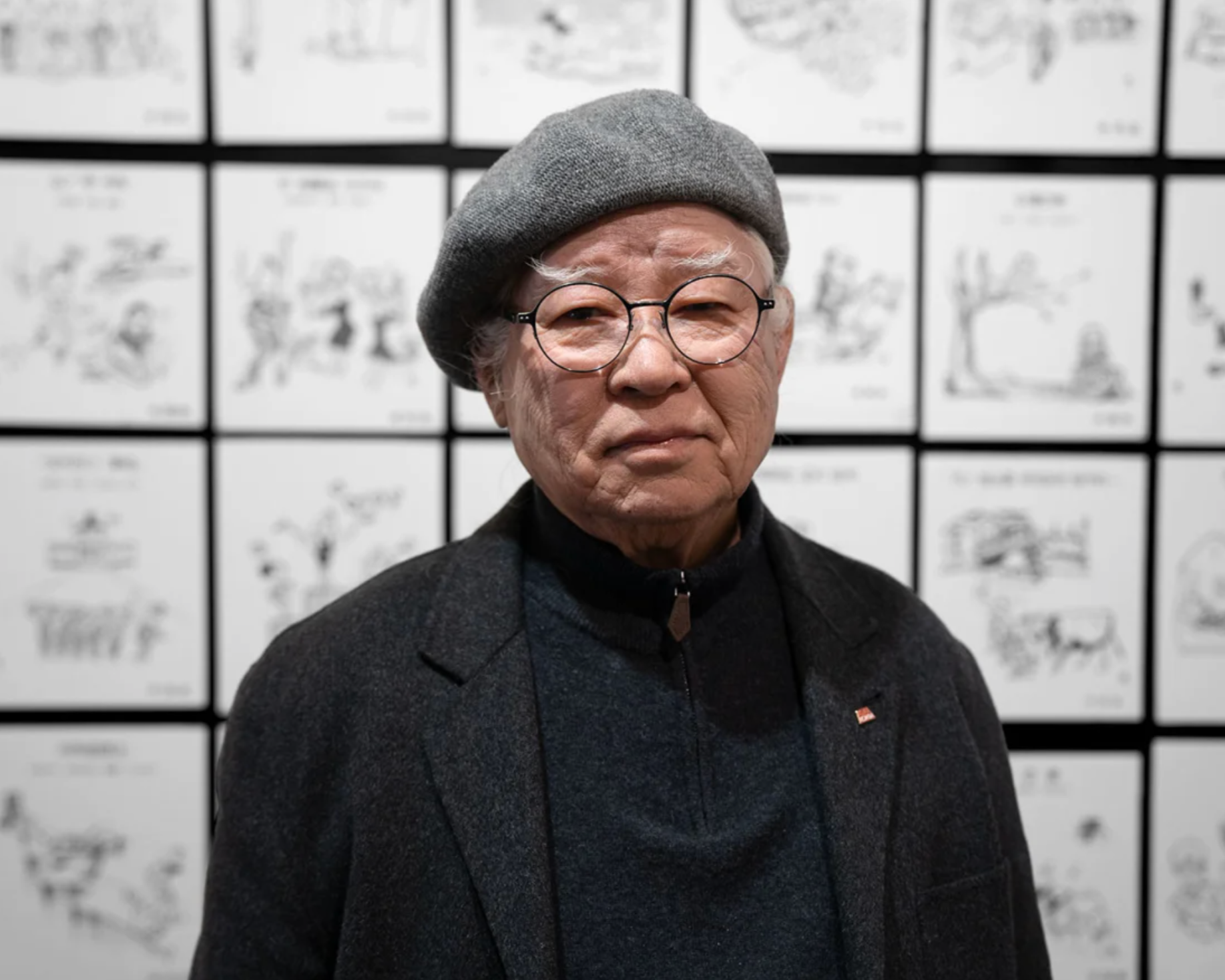
On my last visit to Seoul, South Korea, I had dinner with my old friend, Nelson Shin. Nelson is what you would call an Original Gangster of the Korean Animation Industry. I’ve known him for over forty years. We first met when he opened his animation studio, AKOM, in 1985. I was working in Seoul at the time at another studio, Han-Ho, and was invited to his open house celebration. Nelson was an animator and animation director/producer for Marvel Productions in Los Angeles and was establishing a studio in Korea to handle the animation production for all the company’s series. I hadn’t known Nelson before that, and we didn’t have much occasion to see each other for many years afterwards.
In 1987, I was still in Seoul when Han-Ho entertained some executives from Fox who were looking for a production house to handle a new show they were producing, The Simpsons. We put on a dog and pony show, but ultimately, AKOM was awarded the show. While Nelson won the work, our paths eventually converged in a way that defined my career for many years. Flash forward to 1992, and I was working at a company called Film Roman. I was just wrapping up producing the animation for The Tom & Jerry Movie and was tapped to take over as producer for The Simpsons. Fox was looking for a new house to take over pre-production, and Film Roman got the gig. In addition to staffing the pre-production artists in L.A. I headed back to Seoul to look in on the production house there – still AKOM. Nelson and I would see each other regularly ever after.
Level One: The Pioneers of Korean Animation
But this blog is about Nelson’s Animation Art Museum. Nelson had often talked about building an animation museum. He had always been a collector of animation things, not just posters or cels or cartoon-related merchandise, but antique cameras, zoetropes, film projectors, and moviolas. Some of this equipment dates to his first commercial studio from the 60s.
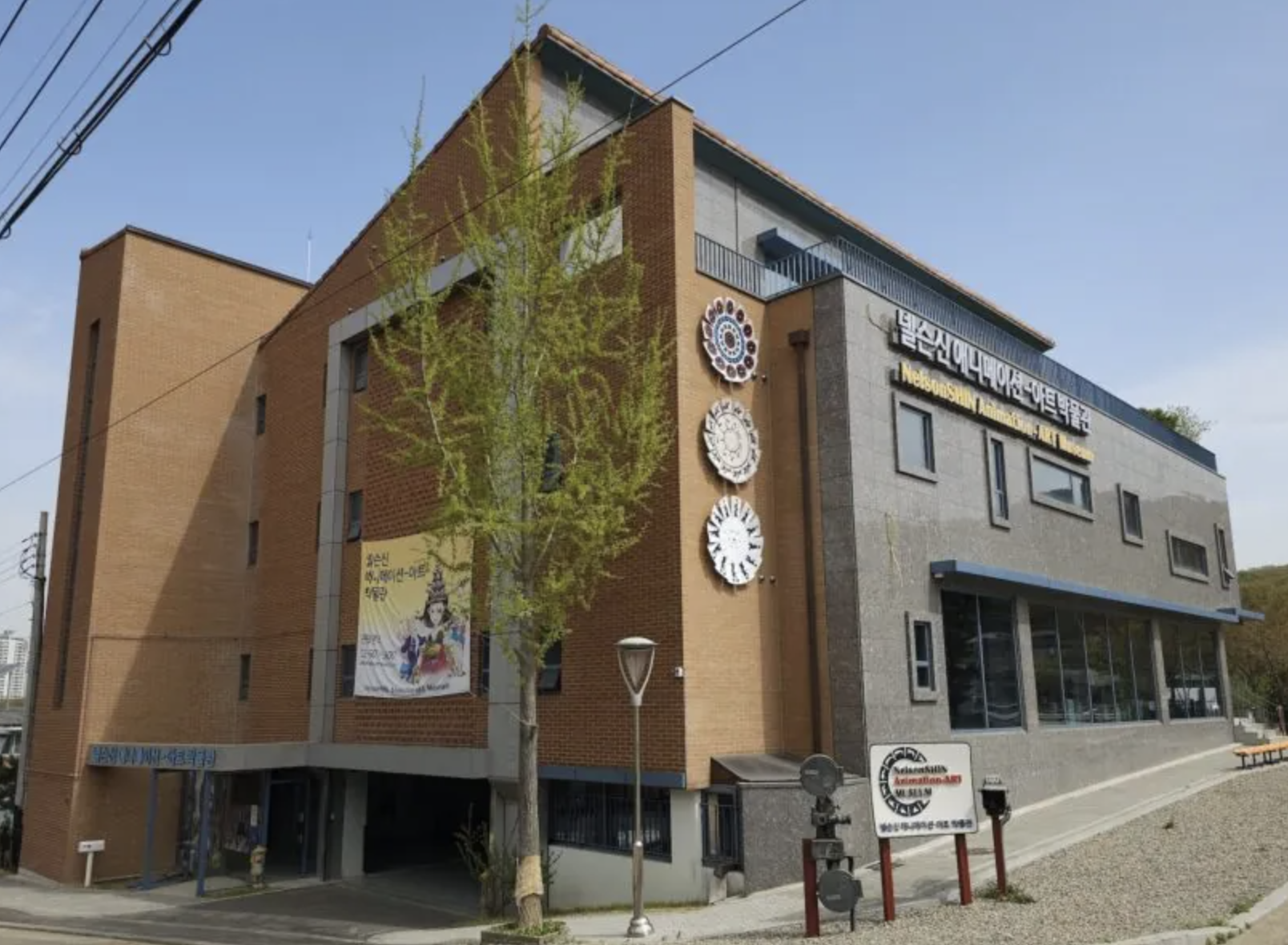
The museum is a three-story standalone building in the city of Gwacheon, just south of Seoul. The first floor is dedicated to the Korean animation industry and features many of the pioneers of print cartoons and animation, like the brothers Shin Dong-hun and Dong-woo who created the first domestic animated feature film. A good portion of this exhibit also illustrates the many milestones of Nelson’s career.
Level Two: 30,000 Years of Motion
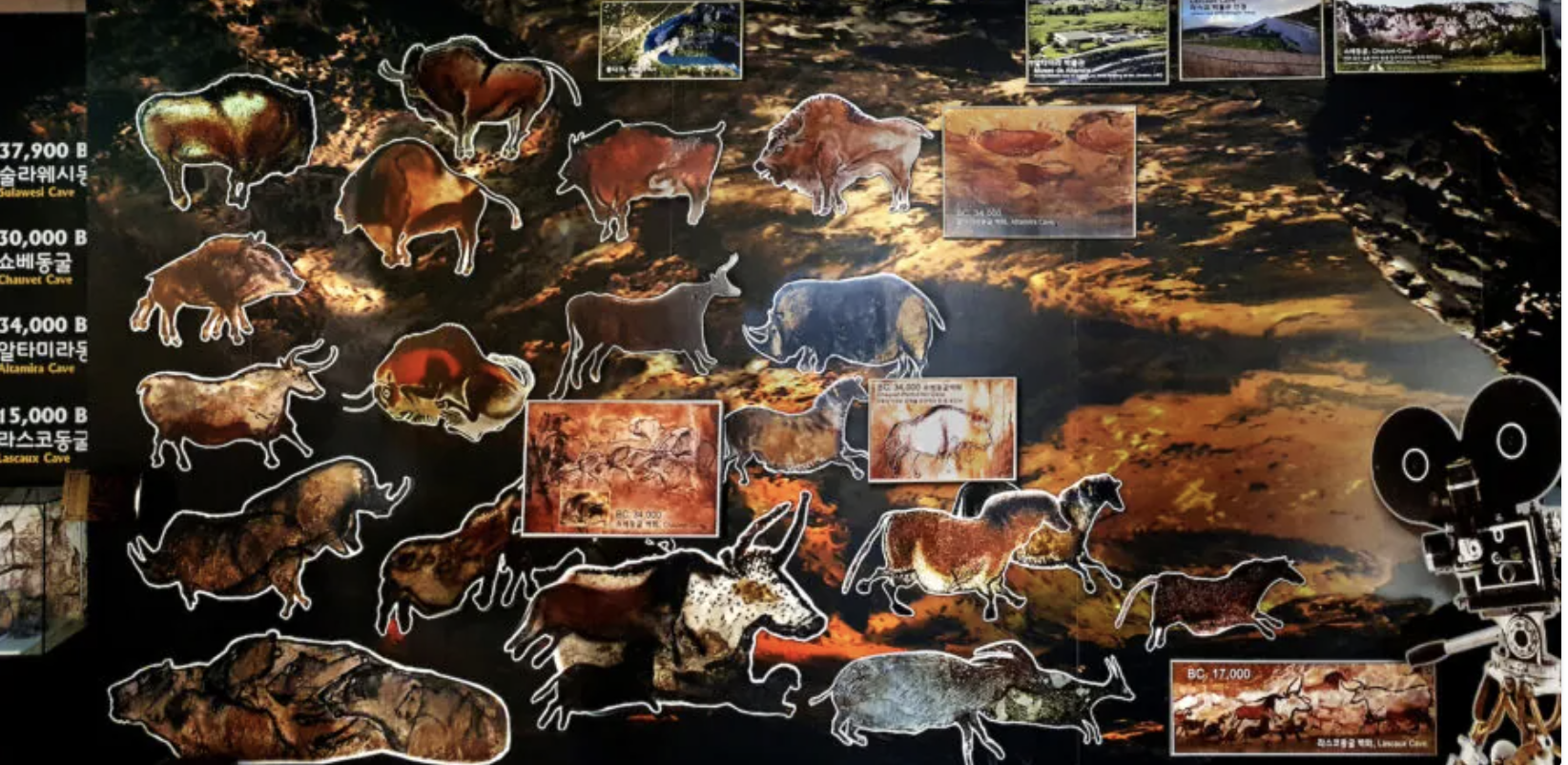
The second floor is a chronological journey through animation, beginning with the cave paintings at the Chauvet and Altamira caves in France and Spain. These are over thirty thousand years old. Nelson postulates, with the help of an automated diorama, that waving a flickering torch across the walls reproduces the persistence of vision effect that appears to make the drawing move.
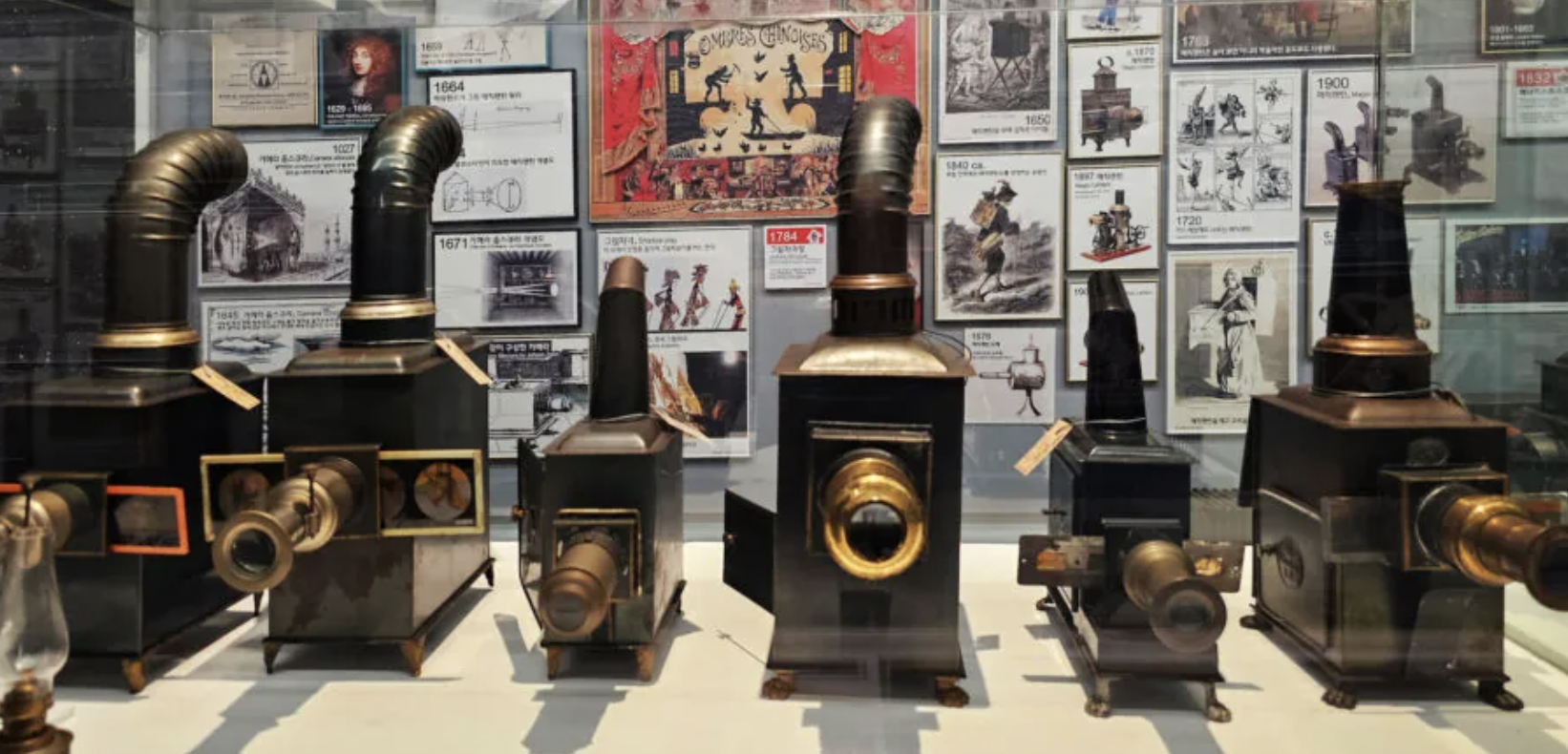
Jump forward to a few hundred years BCE in Greece, and you can see in the detailed paintings that surround many vases, urns, and other vessels artwork that can be mapped onto a zoetrope card and shown as an animation. The exhibits march forward through history, highlighting magic lanterns, phenakistoscopes, zoetropes, praxinoscopes, and finally the Lumière’s film projector.
The Archive: A lifetime of Collecting
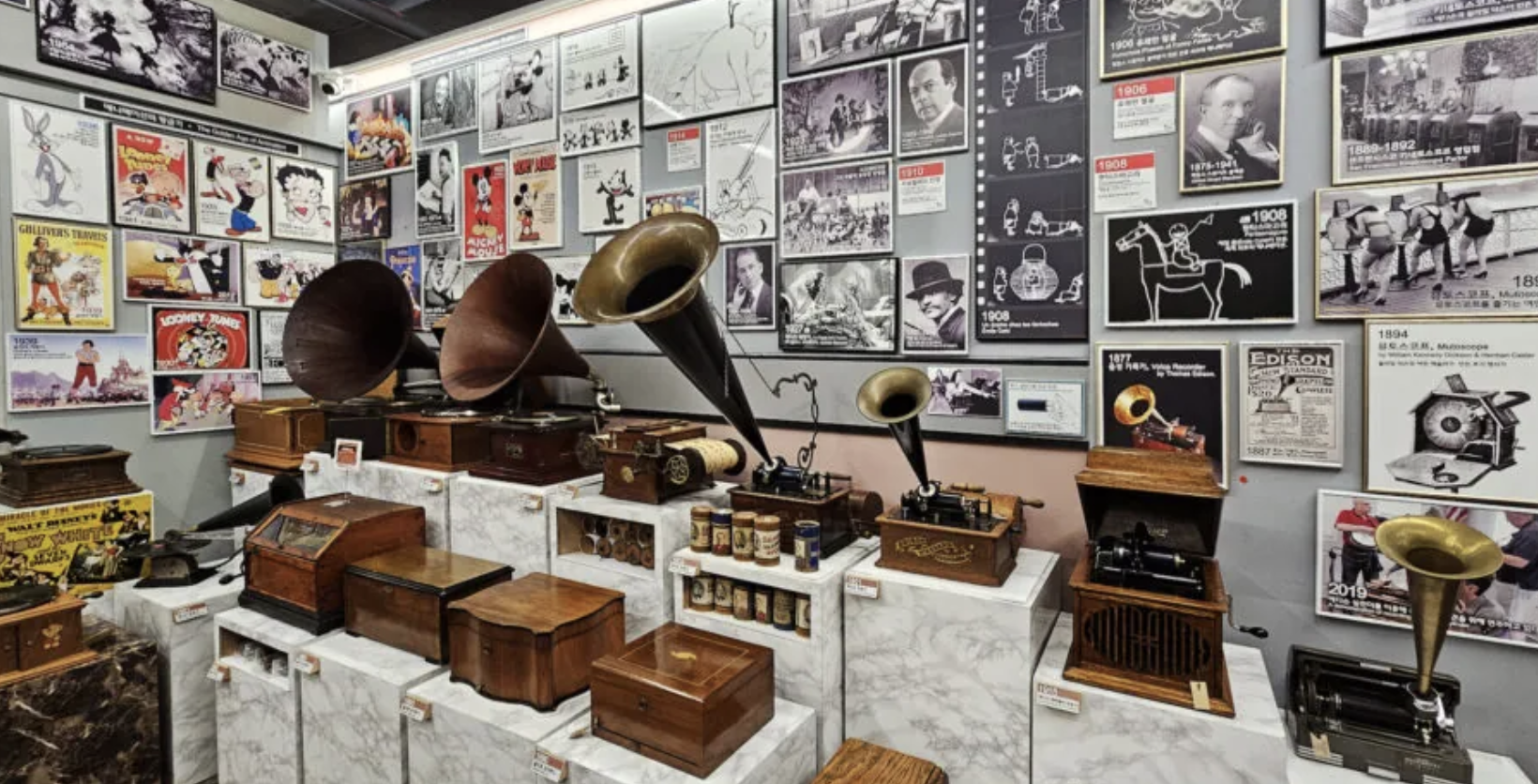
Here also is Nelson’s vast collection of all things even remotely related to animation: musical instruments, antique phonographs, still and movie cameras of all kinds, from the earliest pinhole and daguerreotypes, film formats, sound equipment, editing equipment, and projectors, each showing the progression of technological advancements through the years, leading up to the digital world we work in today. Most of the animation-related equipment is arranged in production order, with displays and didactic labels explaining the process of animation. He even has a replica set and the original pieces from a stop-motion diorama depicting the 1812 Battle of Borodino during Napoleon’s invasion of Russia! What started as a panoramic painting in 1912, celebrating the one hundredth anniversary of the victory over the French (1812 Overture, anyone?), now fills a whole museum in Russia.
The final room is a collection of a wide assortment of posters, cels, books, magazines, comics, and assorted toys and licensed merchandise from animation projects through the years.
Overall, the museum is an awe-inspiring collection that is a tribute to one man’s vision and perseverance. If you’re ever in Seoul, check it out.